Why There Is No Single Right Answer in Choosing a Club
In this Club Selection Series, we explore how parents can think about choosing a football club and training environment for their children during the development years.
By looking at youth football structures in both Japan and New Zealand, this series does not aim to provide “the correct answer,” but rather to share perspectives that help parents make informed decisions.
Common Concerns About Choosing a Club
When it comes to choosing a club, these are concerns I often hear from parents:
- “Is this club really right for my child?”
- “Would my child improve more by joining a stronger club?”
- “Should we stay, or is it time to move on?”
There is plenty of information available, yet clear answers are hard to find.
That is because club environments consist of two sides:
what you can see from the outside, and what you only understand after you are inside.
A Lesson From My Own Experience
This is something I have experienced myself.
When I was in high school, I played for a club with around 250 players, with nearly 100 players in my age group alone. From the outside, it looked like a large, well-established, and highly competitive club.
The reality, however, was quite different.
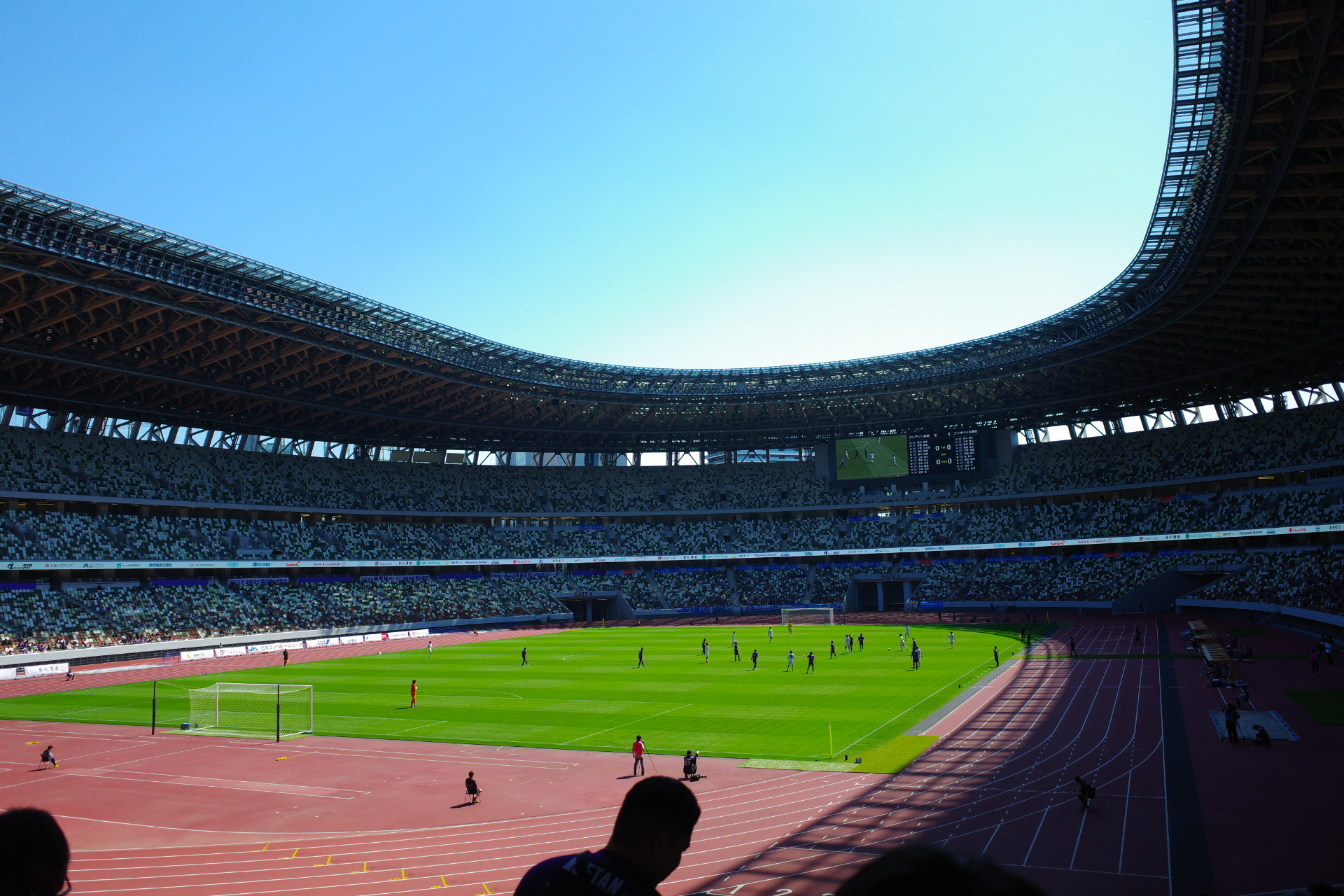
We had access to only half a pitch for training. With so many players and so little space, opportunities to touch the ball were extremely limited.
At the time, I had not researched the environment properly. I assumed that
“a successful club equals a good club,” and
“a well-known club equals better development.”
Only after joining did I realise the gap between image and reality, and I still remember regretting that I had not looked more carefully at the actual training environment.
Results and Reputation Are Not Everything
This experience taught me an important lesson:
a club’s name or results alone do not tell you the quality of its development environment.
No matter how successful a club appears, important questions often remain hidden:
- Is there enough space to train properly?
- Does each player receive enough individual attention?
- Is the development process valued, not just results?
These aspects are difficult to judge from the outside.
And this is not unique to Japan — similar situations can happen in any country.
There Is No Single “Correct” Choice
That is why there is no single correct answer when choosing a club.
The right environment depends on:
- a child’s personality
- their stage of development
- what kind of experience they need at that moment
A club that is a perfect fit at one stage may no longer be suitable at the next.
That does not mean the choice was a mistake — it is a natural part of growth.
What truly matters is asking:
- “What is my child gaining from this environment right now?”
- “What kind of experiences are they having?”
Revisiting these questions regularly is far more important than finding a “perfect” club.
A Starting Point for Thinking
This series will not tell you what you should do.
Instead, it aims to organise ways of thinking that help you reflect on your child’s football environment.
In the next article, we will look at why youth football structures differ between Japan and New Zealand, focusing on the systems behind them.
By understanding these differences, the way you view your current environment may begin to change.
We hope you enjoy the next article.
👉 Read this and other articles here:
https://www.glocal-football.com/articles/