“Is my child at the peak of their learning curve?” “What kind of training is actually effective right now?”
If you are a parent involved in youth football, you have likely heard the term “The Golden Age.” In this article, we’ll dive deep into why this period is so vital and how we should approach the classic Japanese staple: the “Cone Dribble.”
1. Is the “Golden Age” still a thing?
The short answer is yes. Modern sports science continues to place immense value on this period, typically defined as ages 9 to 12.
During these years, a child’s nervous system reaches near-adult maturity. It is a unique window of development characterized by:
・Immediate Acquisition: The “bonus time” of life where children can see a movement once and replicate it almost instantly.
・The Foundation of “Feel”: The coordination and ball control developed now become “assets for life” that stay with them into adulthood.
While it’s never “too late” to improve, the sheer speed of learning during this stage is what makes it truly “Golden.”
2. The Japanese Approach: Pros and Cons of Cone Dribbling
In Japan, the hallmark of technical training is the “Cone Dribble”—weaving through cones at set intervals. This method has distinct advantages and disadvantages.
The Pros: Building the “Form”
・Refinement through Repetition: Without the pressure of a defender, players can focus entirely on the precision of their touch.
・Building Confidence: Successfully maneuvering the ball provides a sense of mastery, making football more enjoyable for beginners.
The Cons: The Missing “Why” and “When”
・Lack of Decision-Making: Cones don’t move, and they don’t try to win the ball. It lacks the “perception and reaction” required in a real match.
・The “Head Down” Habit: Players often fixate on the ball at their feet, which can lead to a habit of not scanning the field.
In Japan, this emphasis on “Form” (Kata) is deeply rooted in Martial Arts (Budo) culture. However, my personal view is that we must be careful not to confuse the culture of Budo with the nature of Football—a sport born in the West that thrives on fluidity and chaos.
3. The European Perspective: Technique + Tactics
In top football nations like Spain, this period is called “Fases Sensibles” (Sensitive Phases). Their approach differs from the traditional Japanese style.
In Spain, Technique is never separated from Tactics. They believe that no matter how good your footwork is, it isn’t “football technique” unless it includes a decision: When, where, and why am I using this move? Training is almost always “opposition-based” (against real defenders) because, while cones are stationary, the game never is.
4. The Glocal Method: Balancing Both Worlds
At Glocal, we believe the Golden Age is the ultimate opportunity. Our methodology bridges the gap between the Japanese and Spanish philosophies.
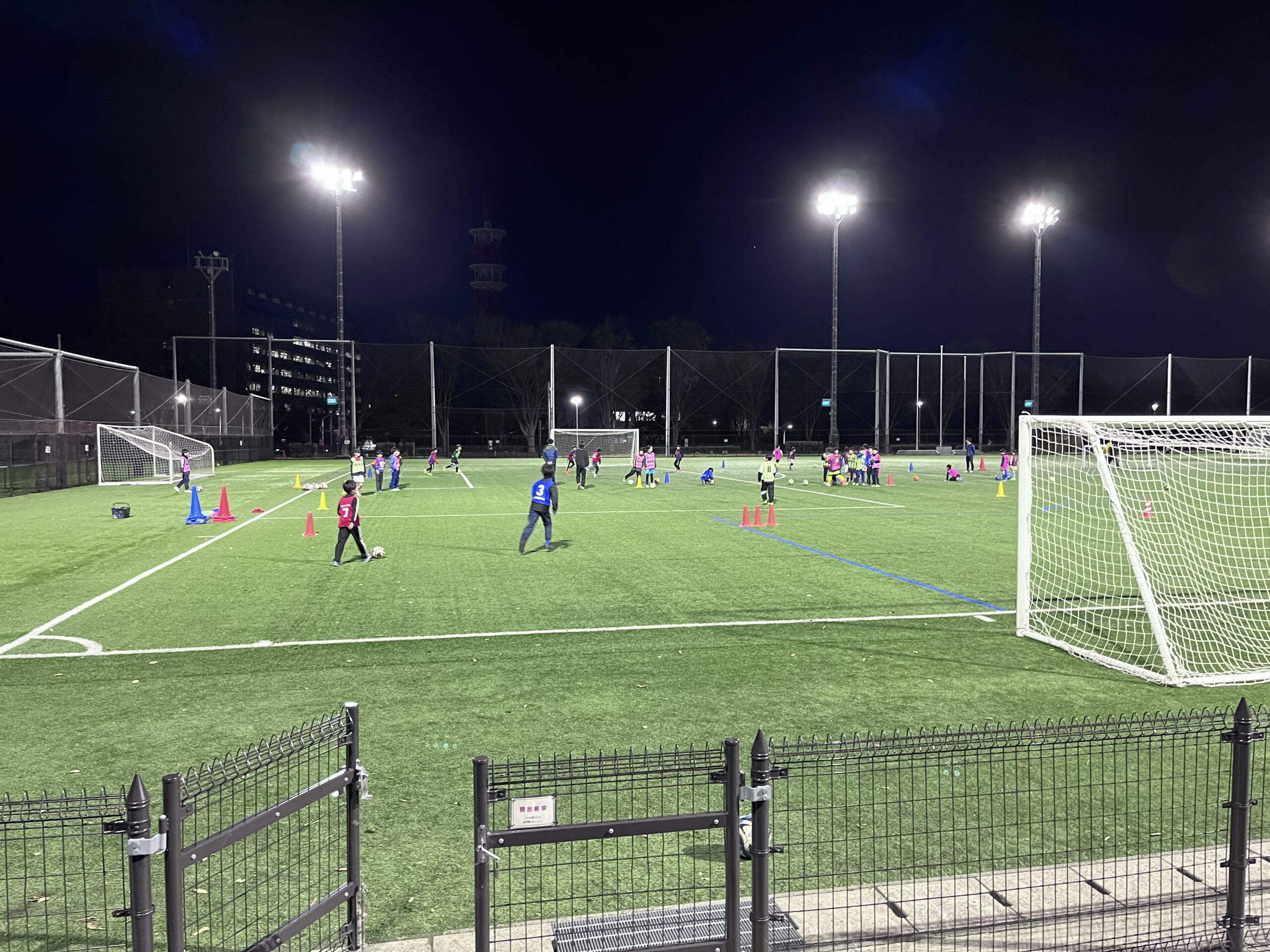
We believe cone dribbling is not useless—it is a fantastic tool for solo practice or “homework” to sharpen the “tools” in your kit. However, in a group environment, Glocal’s sessions always integrate situational decision-making.
We respect the Japanese “discipline of form” while injecting the Spanish “wisdom of play.”
Advice for Parents: How to Support Your Child
・Gamify the Repetition: If your child is practicing alone, add challenges. Use a stopwatch or set goals to make the “form” practice feel like a game.
・Add “Play” and “Decision”: Once they’ve worked on their touch with cones, jump in! Play 1v1 or a game of tag. Give them a “defender” to react to so they can test their new skills in a live environment.
Technique is the Tool, but Decision-making is the Wisdom. When an athlete possesses both, their Golden Age truly begins to shine.
Let’s not just aim to raise “Master Dribblers,” let’s raise “Great Footballers.” —
More about Glocal Football, explore our HP and SNS!