When thinking about choosing a football club,
what’s just as important as knowing what to look for
is knowing what you don’t need to focus on too much.
The reason is simple:
There are many factors in club selection that parents cannot control, no matter how hard they try.
In this article, I would like to focus and explain:
- What parents should look for
- And, on the other hand, what doesn’t need to be over-emphasised
—all within the context of football clubs in New Zealand.

What Parents Should Look For ①Environment (Grounds & Facilities)
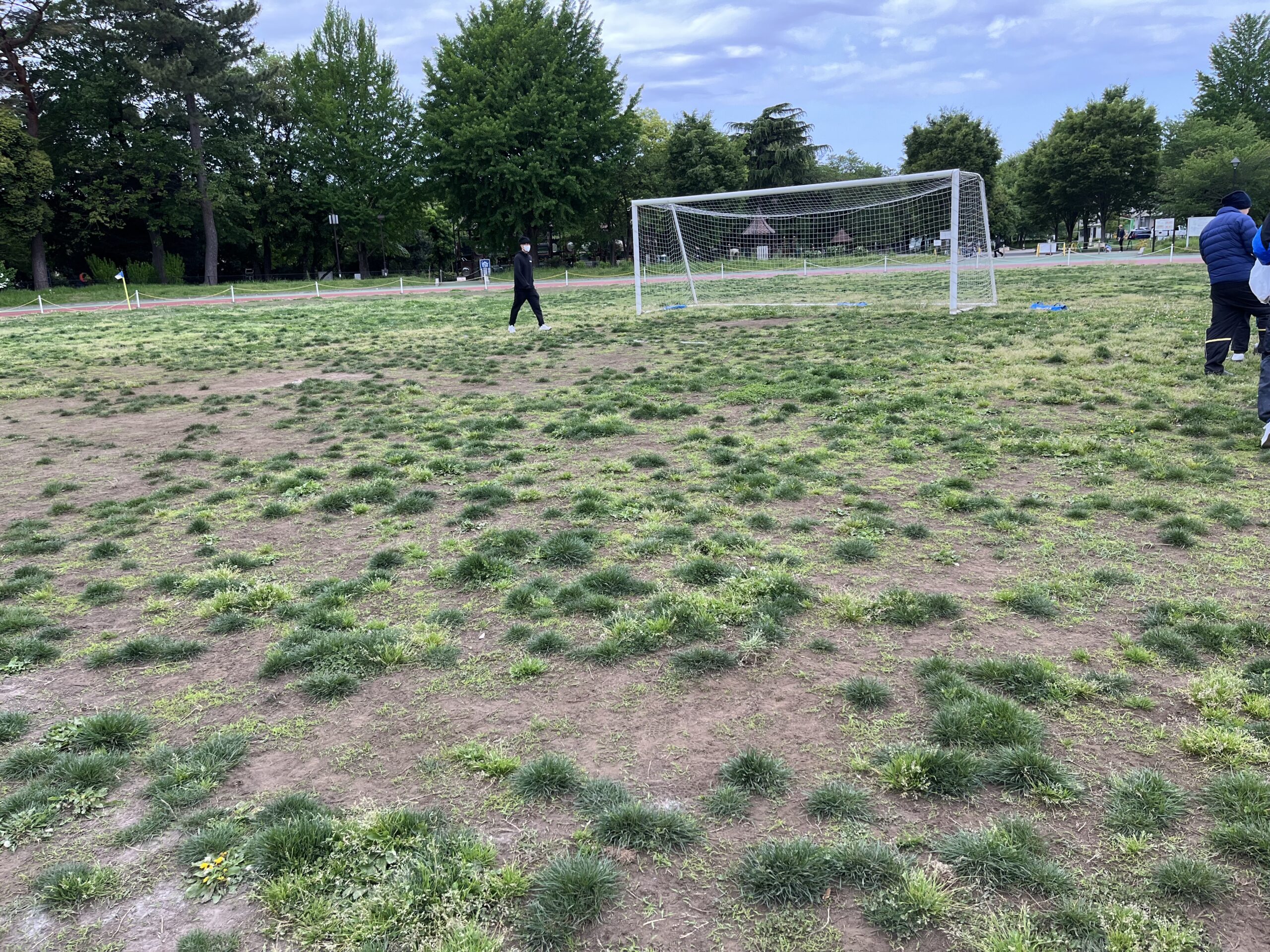
The first and most important thing to check is the training environment.
- Are the grounds and facilities well maintained?
- Are there alternative options when the weather is bad?
In New Zealand, especially during winter, it is not uncommon for natural grass pitches to become unusable due to rain.
In those situations, having options such as:
- access to artificial turf
- indoor facilities
- alternative venues where training can continue
is extremely important.
New Zealand already has a relatively short football season—
it often feels like we only have a “half season” to train properly.
Frequent cancellations in that limited period become a major loss of opportunity for children.
What Parents Should Look For ②The Club’s Development Philosophy
The next key point is whether the club has a clear development philosophy.
For example:
- What does the club value at this age group?
- How does it balance winning and development?
- What kind of footballers is it trying to develop?
There is no single correct answer here.
That is exactly why it matters whether you feel,
“This way of thinking makes sense to us.”
Clubs with a clear philosophy tend to maintain consistency, even when coaches change, because the overall direction does not easily shift.
What Parents Should Look For ③Location and Club Culture
This part is more subjective, but a club’s overall atmosphere (club culture) is also important.
Some clubs feel:
- highly competitive
- relaxed and expressive
- family-oriented and community-focused
The “feel” can differ greatly from club to club.
New Zealand is also a car-dependent society.
Because of that, it’s important to consider very practical questions:
- Is regular transport realistic?
- Is the distance manageable without disrupting daily life too much?
These factors matter more than many people expect.
What You Don’t Need to Overvalue
From here, let’s look at things that you don’t need to prioritise too heavily.
① Results
Looking at results is not a bad thing in itself.
However, choosing a club only because of results can be risky.
At youth level:
- early-maturing players often have an advantage
- teams may win due to physical differences rather than development quality
Results do not necessarily reflect the quality of player development.
② Players Produced by the Club
Questions like:
- “How many professionals has this club produced?”
- “Are there famous players from this club?”
should be treated as reference information only.
What matters more than who developed in the past
is what kind of development is happening now.
③ Teammates and Coaches
In New Zealand, it is not uncommon for:
- coaches to change during the season
- coaching responsibilities to shift between age groups
For that reason, I don’t believe club selection should depend on a specific coach.
The same applies to teammates.
Players in a team are largely selected by the club.
“Who your child plays with” is not something parents can control,
and it should not be the main 기준 for choosing a club.
A New Zealand–Specific Note
Unlike Japanese school football, it is rare in New Zealand for a single age group to have 100 or more players and become overcrowded.
Because of this, in most cases, parents do not need to worry excessively about squad size.
Also, strong first-team results do not automatically mean strong academy development.
In New Zealand in particular, there is often little correlation between the success of the top team and the quality of youth development.
That said, as players get older, choosing a club with a pathway to the first team can certainly be a valid option.
In Closing
Choosing a club is not about creating a perfect environment.
It is about:
- focusing on what can be evaluated
- and accepting what cannot be controlled
This balance is crucial.
By focusing on:
- environment
- philosophy
- and overall atmosphere
and choosing a place that fits your child right now,
I believe parents can make realistic and healthy club choices in New Zealand.
What’s Next
In the next article, I will bring this series together and introduce the position of Glocal Football in New Zealand (Christchurch).
With the assumption that children are already playing football at a club,
I would like to clearly explain:
- what kind of role Glocal Football aims to play
- what we truly value
- and what kind of children and families we want to be meaningful for
If you are currently struggling with club selection, or reconsidering your child’s current environment, I hope you will read the next article as well.